Which sport matches with your attributes?
### Title: The Impact of Personality Traits on Exercise Preferences and Well-being
New research from the University College London, published in the journal "Frontiers in Psychology", has revealed that the Big Five personality traits significantly influence the type of exercise individuals prefer and their likelihood of sticking to physical activity regimens, including combined cycling and strength training programs.
### The Big Five Personality Traits
The study focused on five dimensions of individual personality traits: Extraversion, Agreeableness, Conscientiousness, Neuroticism, and Openness.
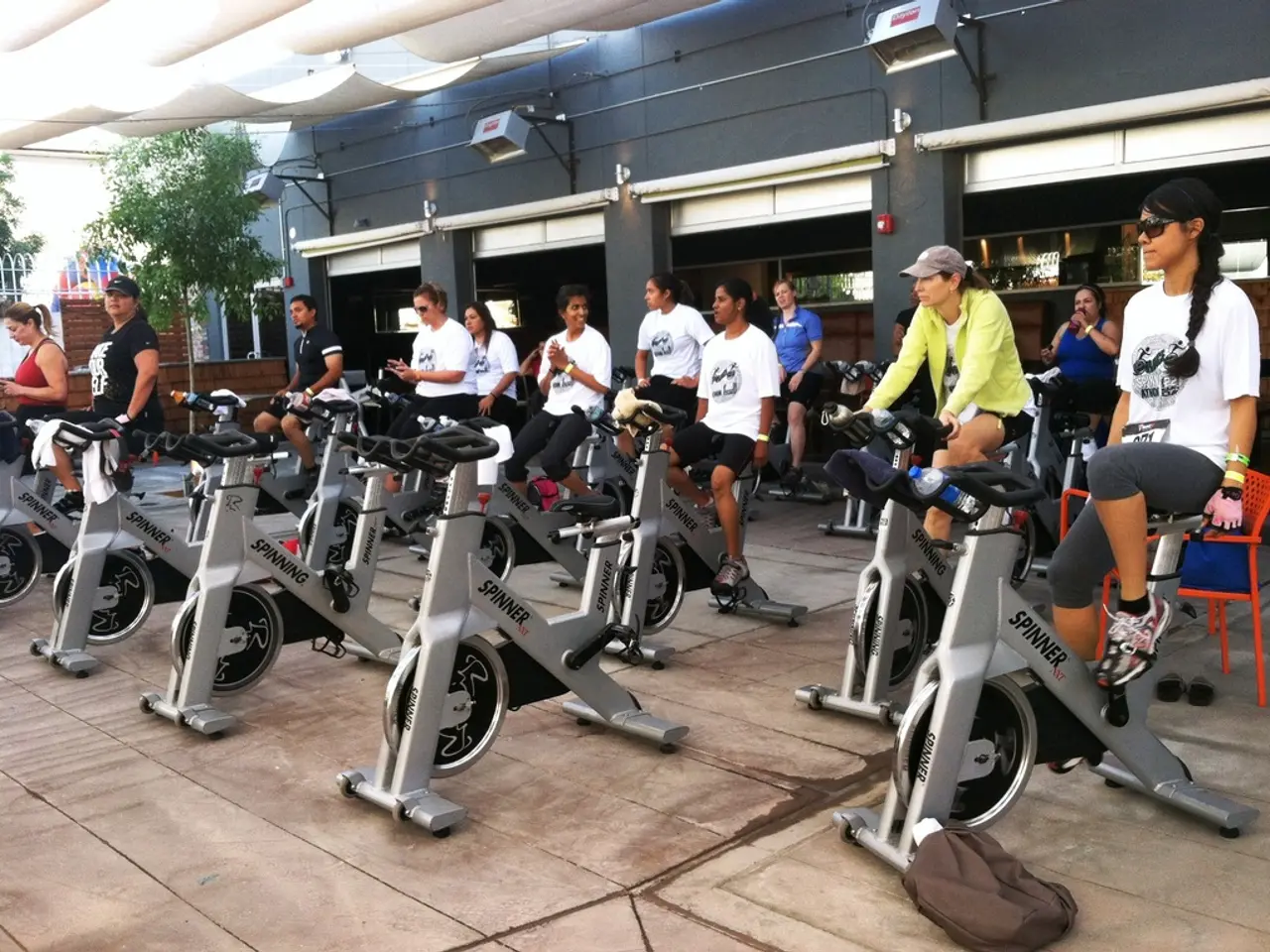
**Extraversion** is linked to a preference for higher-intensity workouts, such as high-intensity interval training (HIIT), and a propensity for organized sports and group activities. People high in extraversion tend to seek out dynamic, socially interactive exercise environments and enjoy the stimulation of challenging workouts.
**Conscientious individuals** demonstrate greater commitment to regular exercise, higher baseline fitness levels, and a tendency to exercise more frequently, often for reasons related to discipline and health. Their organisational skills and persistence help them stick to structured programs and maintain consistent routines.
**Agreeableness** is linked to positive experiences in sports and group settings, likely due to a preference for cooperative and harmonious environments. However, the specific influence on exercise type preference in mixed cycling-strength programs is less clear.
**Neuroticism** is associated with anxiety related to exercise, a preference for low-intensity activities, and a tendency to avoid group or lab-based settings due to self-consciousness. This trait is associated with poorer heart rate recovery and a reduced likelihood of sustained physical activity, which can negatively impact well-being over time.
**Openness** has the weakest and least consistent association with exercise preferences and adherence in current literature. More research is needed to clarify how this trait interacts with different types and intensities of exercise.
### Well-being Outcomes
Across all personality types, participants who completed the combined cycling and strength training program improved their fitness, regardless of trait. This suggests that structured programs can be broadly beneficial, but enjoyment and adherence may vary by personality.
Personality-matched exercise recommendations, such as suggesting high-intensity group workouts for extraverts or home-based routines for those high in neuroticism, could enhance both adherence and psychological well-being by aligning activities with intrinsic preferences and reducing stress.
### Practical Implications
Tailoring exercise programs to personality traits may improve both enjoyment and long-term adherence, addressing the global challenge of physical inactivity. The Wilhelm-Wundt-Institute for Psychology at Leipzig University offers a free and anonymous test on its website to help individuals learn more about their personality based on the Big Five model.
### Conclusion
Understanding the role of personality traits in shaping exercise preferences, adherence, and well-being outcomes is crucial in creating personalised fitness recommendations. By matching exercise type to personality, it is possible to foster higher adherence and better psychological outcomes, supporting the move toward a more enjoyable and sustainable approach to physical activity.
- The study published in "Frontiers in Psychology" reveals that individuals high in extraversion may prefer fitness-and-exercise regimens that involve high-intensity group activities, such as health-and-wellness programs that combine cycling and strength training workouts.
- Personality-matched exercise recommendations, aligning intrinsic preferences with assigned fitness routines, could have a positive impact on health-and-wellness by enhancing both adherence and psychological well-being, especially for those who are open to various types and intensities of exercise.