
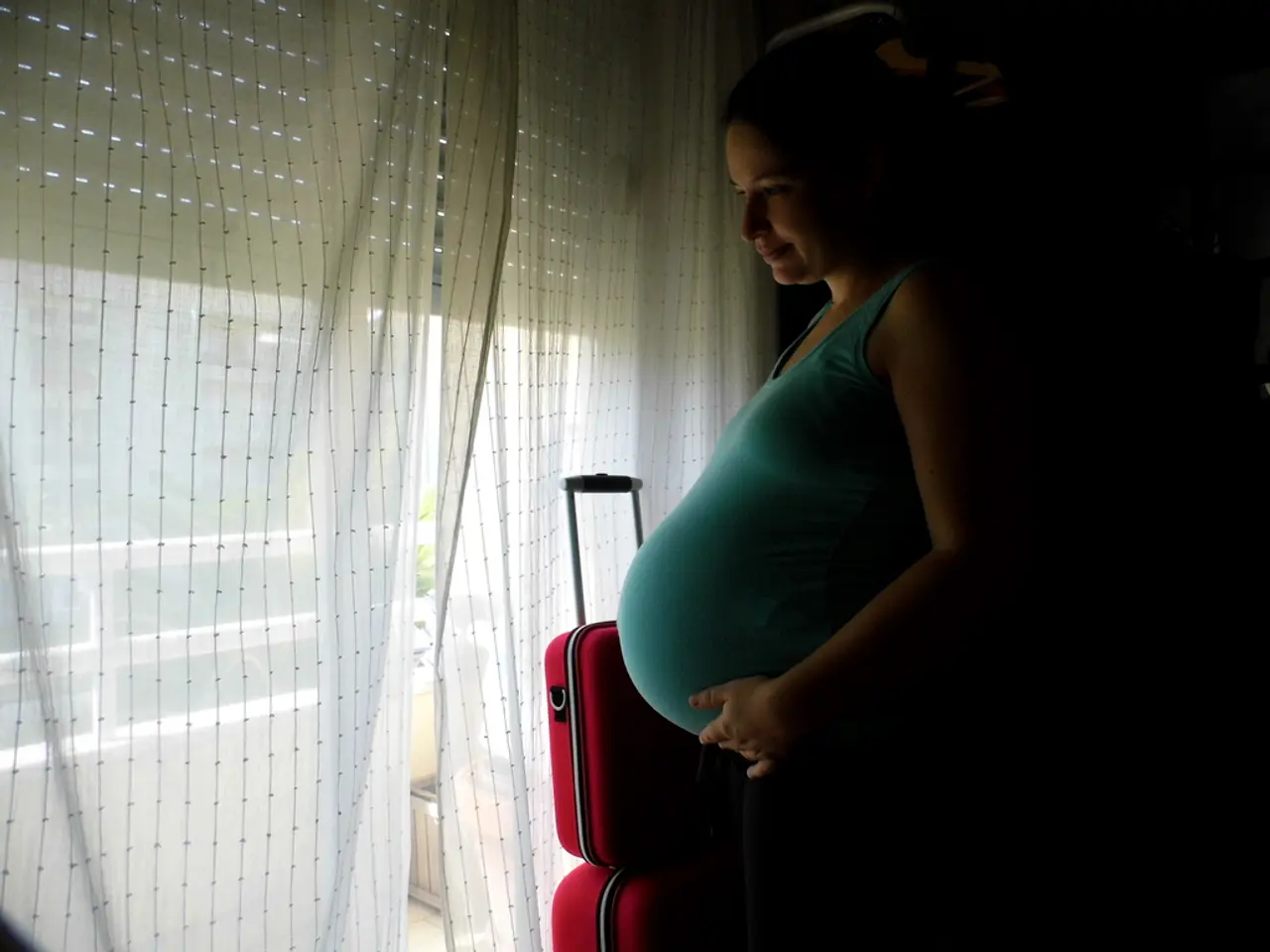
Vaginal Birth After Cesarean (VBAC) is a childbirth process where a woman who has had a prior cesarean delivery attempts to deliver subsequent babies through the vagina.
Vaginal Birth After Cesarean (VBAC) is a process that allows women who have previously undergone a cesarean section to deliver their subsequent babies vaginally. This method can be appealing due to a potential shorter recovery time and a more natural birthing experience. However, it's important to understand that the labor process for a VBAC can differ from a traditional vaginal birth, especially if the woman has had a previous cesarean.
Eligibility for VBAC
Eligibility for VBAC is determined by several factors. These include the type of uterine scar, the number of prior cesarean deliveries, the presence of any previous uterine rupture, placental issues, maternal age, body mass index (BMI), and the indication for the prior cesarean delivery.
Women with a low transverse Cesarean scar are typically good candidates for VBAC. However, those with a vertical or classical incision scar or a history of uterine rupture are generally not eligible due to the higher risk of uterine rupture during labor.
Having multiple prior cesarean sections without any previous vaginal delivery lowers the chances of eligibility and success for VBAC. Similarly, issues such as placenta previa or other placental abnormalities can disqualify a woman from attempting VBAC.
Maternal factors, such as age, BMI, and the indication for the prior cesarean, also play a role. Younger women tend to have higher success rates with VBAC, while obesity (BMI ≥ 30) is linked to reduced likelihood of VBAC success. The reason for the previous cesarean can influence VBAC success rates; favorable prior indications improve chances.
Risks and Considerations
One of the most significant risks associated with VBAC is uterine rupture, which can lead to severe complications for both the mother and the baby. Emotional considerations, such as anxiety about attempting a VBAC after a traumatic cesarean experience, should also be taken into account.
Not all women are candidates for VBAC. Factors such as the type of incision made during the previous C-section, the reason for the initial cesarean, and the overall health of the mother and baby play significant roles in determining eligibility.
Preparing for a VBAC
Building a strong support system is vital for a successful VBAC. This includes the partner, family, friends, or a doula. Educating oneself about VBAC through childbirth education classes, books, and articles can help prepare for the labor process. A well-thought-out birth plan can help communicate preferences and expectations for labor and delivery.
Advantages of VBAC
Choosing VBAC can offer several advantages, including a shorter recovery time, lower risk of surgical complications, enhanced emotional experience, future pregnancy considerations, lower risk of respiratory issues for the baby, and support from a community of women who have gone through similar experiences.
However, it's crucial to have a supportive healthcare team experienced in VBAC for a successful VBAC. Ideally, the previous C-section should have been performed with a low transverse incision. Ideally, VBAC candidates should be at least 39 weeks pregnant and have a baby in a head-down position. It's also essential to have a healthcare provider who supports VBAC and is experienced in managing such deliveries.
In conclusion, eligibility for VBAC is assessed on an individual basis, considering these factors to balance the likelihood of a successful vaginal birth and reduce the risk of complications such as uterine rupture. It's important for women considering VBAC to discuss their options with their healthcare provider and to educate themselves about the process to make an informed decision.
- Science plays a crucial role in determining a woman's eligibility for a VBAC (Vaginal Birth After Cesarean), as various factors such as the type of uterine scar, the number of prior cesarean deliveries, and body mass index (BMI) are taken into account.
- To increase the chances of a successful VBAC, women can engage in health-and-wellness practices like building a strong support system, participating in childbirth education classes, and having a well-thought-out birth plan.




%20is%20a%20childbirth%20process%20where%20a%20woman%20who%20has%20had%20a%20prior%20cesarean%20delivery%20attempts%20to%20deliver%20subsequent%20babies%20through%20the%20vagina.)