
Top Profession Routes for Certified Massage Practitioners
Entrepreneurship in massage therapy offers therapists the opportunity to have control over various aspects of their profession, including booking, charging, and service delivery, as well as the ability to specialize in a specific area. This freedom extends beyond traditional massage clinics, with a wide range of career paths available for those with the right skills and knowledge.
For instance, mobile massage therapy, or home visits, allows therapists to work independently, traveling to clients' homes or offices. This career path requires strong interpersonal skills, business management abilities, and a knack for scheduling and transportation logistics. Training in diverse massage techniques and client communication is essential.
Another option is working in luxury spas and resorts, providing massage services that focus on relaxation and therapeutic massage modalities. Skills in customer service and working in a fast-paced hospitality environment are important in this field.
Some massage therapists may choose to expand into manual osteopathic therapy or add specialized certifications, such as trigger point therapy or reflexology, to broaden their service offerings. This requires further education beyond core massage therapy training, often through continuing education or additional certification programs.
Teaching and education is another avenue for those with a passion for sharing their knowledge. Becoming a massage therapy instructor or clinic supervisor demands strong pedagogical skills, advanced clinical knowledge, and often additional certifications or teaching credentials. Familiarity with curriculum standards like those of the Alberta College of Massage Therapy (ACMT) enhances credibility.
Operating a private practice or wellness center is another attractive option for many massage therapists. This path requires not only massage skills acquired in formal programs but also marketing, finance, client management, and regulatory knowledge relevant to Alberta, including licensing and insurance considerations.
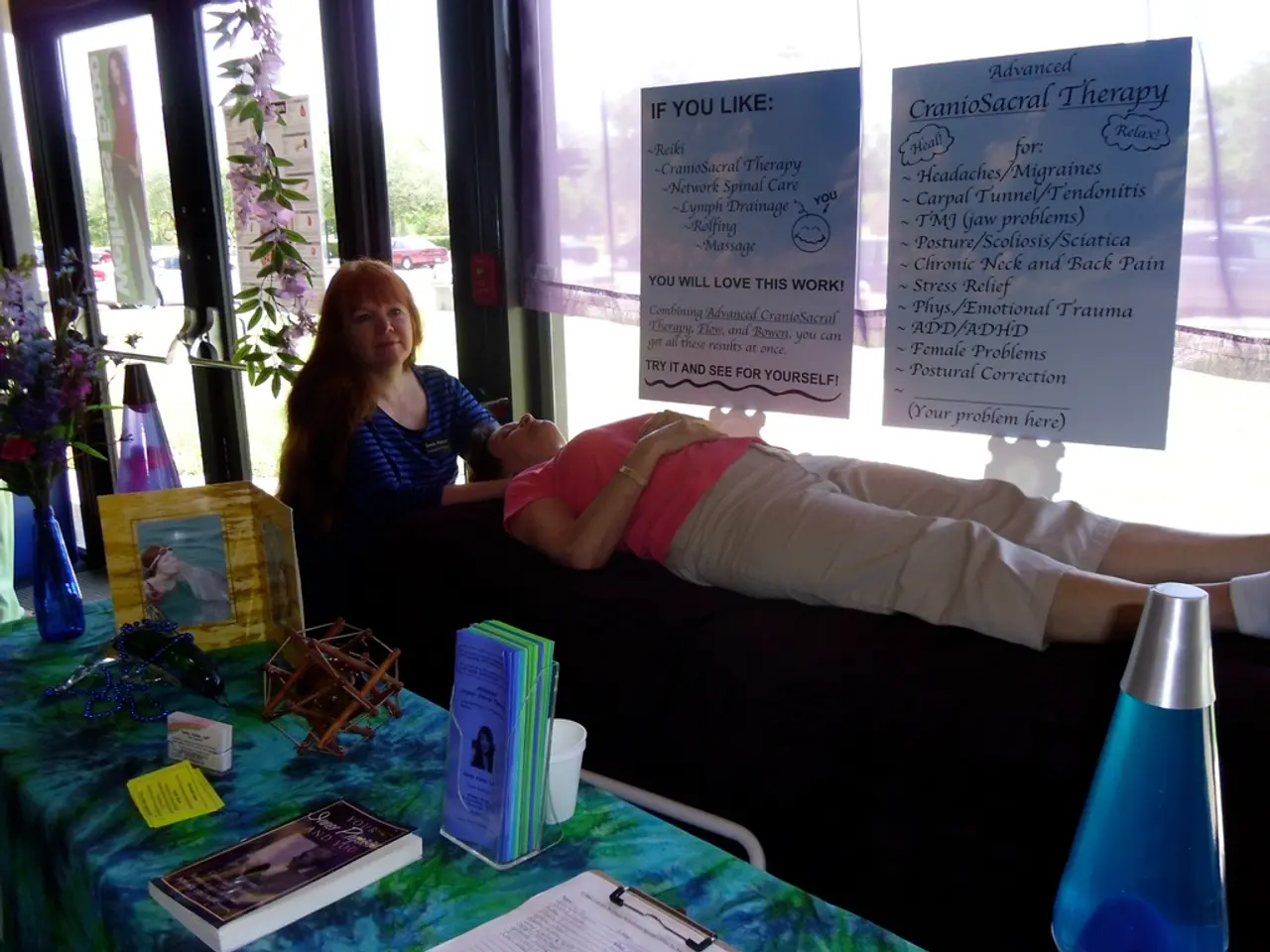
Integrating massage therapy with complementary modalities such as reflexology, reiki, or iridology is another option for those seeking a more holistic approach. This integration often requires specialized training or certification recognized by professional associations such as the Reflexology Association of Canada.
Education from a massage therapy school, such as one in Edmonton, provides a solid foundation for these diverse career paths. Completing a program meeting or exceeding the minimum 2,200 hours of training required in Alberta for registration or licensing is crucial. Comprehensive knowledge in anatomy, physiology, pathology, massage techniques, and client assessment is also essential. Practical experience gained through supervised student clinics facilitates hands-on skills and professional confidence.
Understanding of business fundamentals, including scheduling, marketing, professional ethics, and administrative responsibilities for independent practice or entrepreneurship, is also important. A commitment to ongoing professional development through workshops, certifications, and learning new modalities to stay current and expand services is key to success in this field.
Whether working in a clinic, spa, classroom, or their own business, the career prospects in massage therapy are positive. From working with athletes to teaching the next generation of therapists, the opportunities are vast and exciting. For those considering a career in massage therapy, exploring options at a massage therapy school in Edmonton is an excellent first step.
- Entrepreneurship in massage therapy offers opportunities to travel, with mobile massage therapy allowing therapists to work independently, visiting clients' homes or offices.
- For those passionate about environmental conservation, integrating massage therapy with complementary modalities like reflexology, reiki, or iridology may be an appealing choice.
- The ability to focus on education extends career paths in massage therapy, with possibilities to become a massage therapy instructor or clinic supervisor.
- A career in massage therapy can lead to specialization in specific areas, such as manual osteopathic therapy or adding specialized certifications like trigger point therapy or reflexology.
- Operating a private practice or wellness center requires knowledge in areas beyond massage skills, such as marketing, finance, client management, and regulatory considerations specific to Alberta.
- Skills in health-and-wellness, fitness-and-exercise, and science are crucial for developing a successful massage therapy career, especially when integrating massage with other therapeutic modalities.
- A solid foundation for these diverse career paths comes from education at a massage therapy school, where students complete extensive training in areas like anatomy, physiology, pathology, massage techniques, and client assessment.