
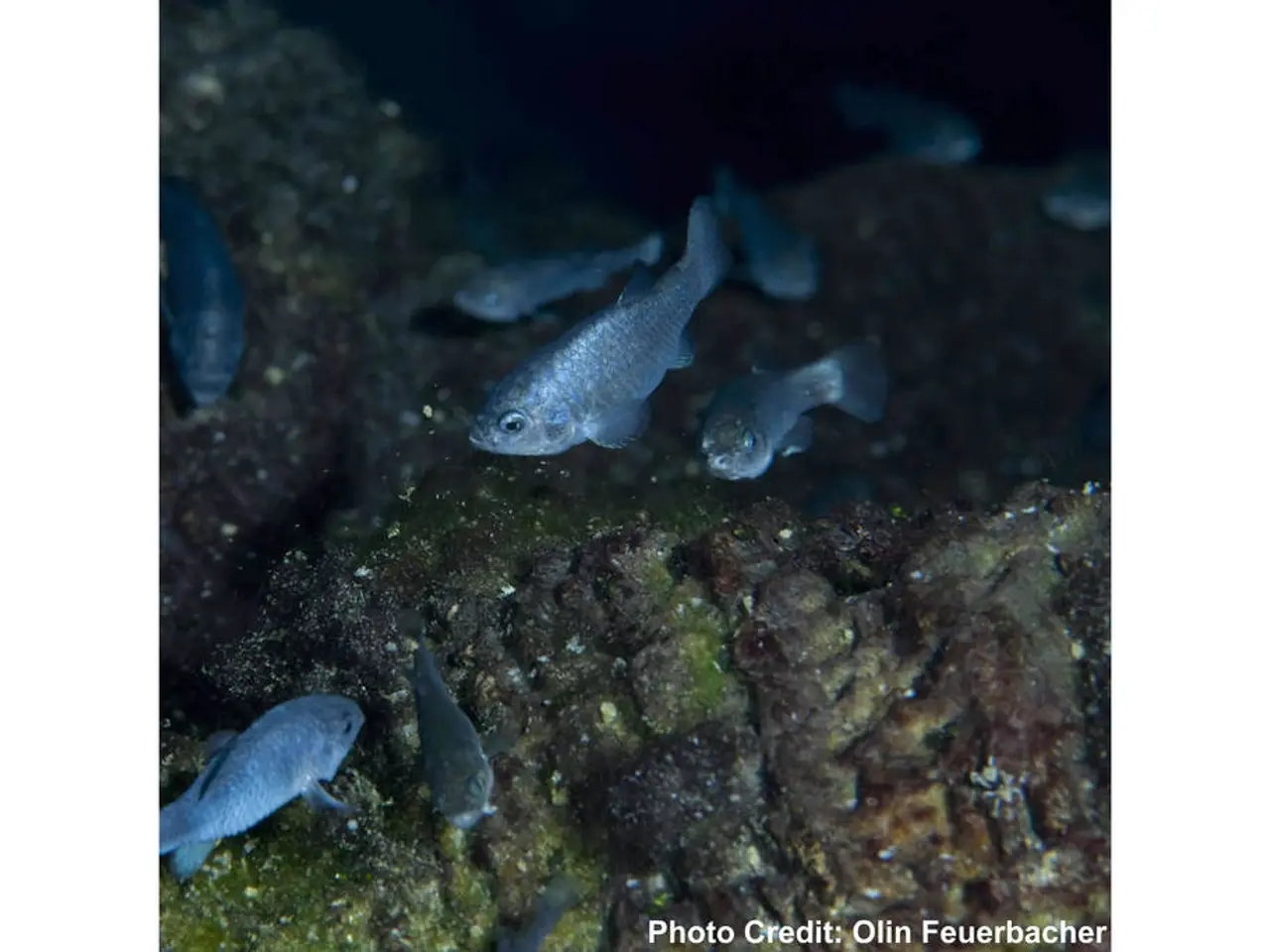
The safety concern posed by the eerie figure in the Northern and Baltic waters.
The North and Baltic Seas are home to a dangerous marine creature known as the Weever fish. This boreo-temperate species, notably the greater Weever (Trachinus draco), is well-known for its venomous sting and the risks it poses to humans.
Characteristics
The Weever fish is adapted to cold and temperate waters, including the North Sea region. It is an elongated, bottom-dwelling fish that camouflages itself in sandy or muddy seabeds, often burying itself almost completely. The greater Weever can be recognized by its venomous spines located on the dorsal fin and gill covers.
Behaviour
Weever fish are sedentary ambush predators, remaining largely buried during the day and coming out mainly at night to hunt small fish and invertebrates. Their tendency to bury themselves near shorelines and shallow waters increases the chances of coming into contact with swimmers or beachgoers.
Risks
The greatest hazard posed by Weever fish is their venomous sting from sharp dorsal spines. When stepped on or disturbed, they can inject venom causing intense pain, swelling, and potentially serious reactions. Bites typically occur in shallow coastal areas where humans wade or swim, making Weever stings a known local risk in North European waters.
Treatment
In case of a Weever fish sting, the wound should be cleaned and disinfected, and if the stinger is still in the wound, it should be removed. A heat treatment method, called the "temperature shock method", can be used to destroy the proteins in the venom. This can be achieved by heating a spoon or other heat-resistant object with a lighter and pressing it firmly on the affected area for about two minutes. After heat treatment, the puncture site should be cooled for another two minutes and the procedure should be repeated several times.
Prevention and Awareness
During the summer spawning season, Weever fish come into shallow water near the coast, increasing the risk of encounters. To avoid Weever stings, it is advisable to be aware of their presence, especially in sandy areas, and to take care when wading or swimming. In case of an emergency, the Joint Poison Information Center of the federal states Mecklenburg-Western Pomerania, Saxony, Saxony-Anhalt, and Thuringia can be contacted.
Conclusion
While the Weever fish is a fascinating marine species, its venomous sting can pose a significant risk to humans. By understanding its characteristics, behaviour, and associated risks, beachgoers can take steps to avoid encounters and be prepared in case of a sting.
Here are three sentences that contain the words 'science', 'health-and-wellness', 'fitness-and-exercise', 'sports', and 'mixed-martial-arts':
- Advancements in science and health-and-wellness research have led to numerous fitness-and-exercise programs designed to improve overall well-being and reduce the risk of various health issues, including those related to sports injuries and mixed-martial-arts training.
- The popularity of sports like football, basketball, and mixed-martial-arts has driven an increase in science-backed training methods, helping athletes achieve peak performance and reduce the risk of injury.
- In the realm of health-and-wellness, fitness-and-exercise routines often incorporate elements from various sports disciplines, such as swimming, running, and yoga, to provide a well-rounded and versatile workout regimen.