
Insights on Coronary Calcium Scans: A Comprehensive Guide
A coronary calcium scan is a valuable tool in the fight against heart disease. This low-dose CT scan measures calcium-containing plaque in the arteries, providing a clear picture of a person's risk of coronary heart disease, coronary artery disease (CAD), and heart attack.
The scan detects calcified plaque, a marker of atherosclerosis in the coronary arteries, which supply blood to the heart muscle. The calcium score quantifies the extent of calcification, with typical risk categories:
- 0: No plaque, very low risk
- 1–99: Mild plaque, low risk
- 100–399: Moderate plaque, moderate risk
- 400+: Extensive plaque, high risk of heart attack
A high score (e.g., above 400) suggests a significant plaque burden and a strong likelihood of coronary artery narrowing or blockage. This calls for intensive management, including lifestyle changes, medications (e.g., statins), and possibly further diagnostic tests or interventions.
The advantage of the coronary calcium scan is that it identifies risk before symptoms develop, enabling prevention strategies even in apparently healthy individuals. Compared to cholesterol levels and traditional risk calculators, the calcium score offers a direct visualization and quantification of artery plaque, improving risk prediction and guiding personalized treatment decisions.
People with risk factors such as family history of heart disease, obesity, high cholesterol, high blood pressure, smoking, high stress levels may benefit from a coronary calcium scan. However, it's important to note that the test is not always useful for those with a very low or very high risk of heart disease.
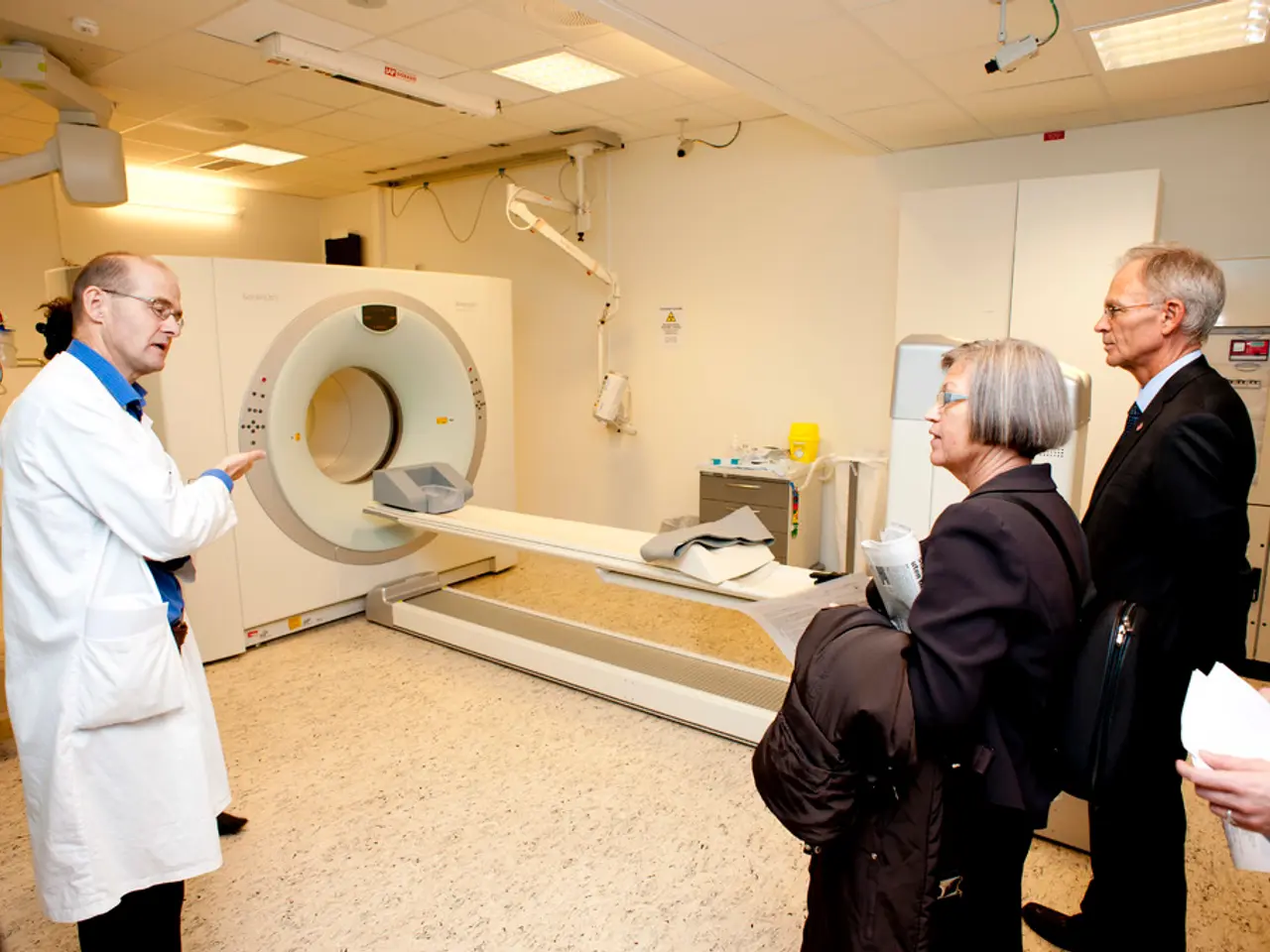
During the procedure, a person will lay flat on a moving table and place their arms above their head. They should wear a hospital gown and remove any metal objects prior to the scan. The radiography team will apply monitors to the person's chest and ask them to stay still and briefly hold their breath. There is a small risk associated with the radiation used in the scan, but the amount is minimal.
The results go to a person's doctor within a few days. A score between 101-400 indicates that there is some plaque blocking the arteries and that a person has a higher risk of heart attack and needs medical treatment. A score above 400 will require additional testing and immediate treatment.
A person's coronary calcium score allows healthcare professionals to check their risk of CAD and heart attack. While insurance may not cover the cost of a coronary calcium scan, it could be a worthwhile investment for those looking to take control of their heart health.
In summary, a high coronary calcium scan score is a strong, independent predictor of heart disease risk and future cardiac events, facilitating early and tailored prevention to reduce the chance of heart attacks. If you have concerns about your heart health, consider discussing a coronary calcium scan with your doctor.
- The coronary calcium scan, compelling in combating heart disease, measures plaque in the arteries associated with heart attack risk, other heart diseases, and cardiovascular health.
- People with medical conditions like obesity, high cholesterol, high blood pressure, smoking, stress, and a family history of heart disease may find the coronary calcium scan beneficial for their heart health-and-wellness.
- A high coronary calcium score, above 400, signifies a significant plaque burden, leading to a high risk of heart attacks and the need for intensive management and further diagnostic tests.
- Science has found that the coronary calcium scan offers improved risk prediction, especially when compared to traditional cholesterol levels and risk calculators, by directly visualizing and quantifying plaque in the arteries.
- Migraines, depression, and other medical conditions may not influence the usefulness of a coronary calcium scan in predicting heart disease risk, as it specifically focuses on evaluating cardiovascular health.