
Eye effects of opioids: The impact of opioids on vision
==================================================
Opioid misuse can have far-reaching effects on an individual's health, and this includes the eyes. A recent study has shown that opioids can cause direct vision disturbances and elevate the risk of serious eye infections, potentially leading to vision loss.
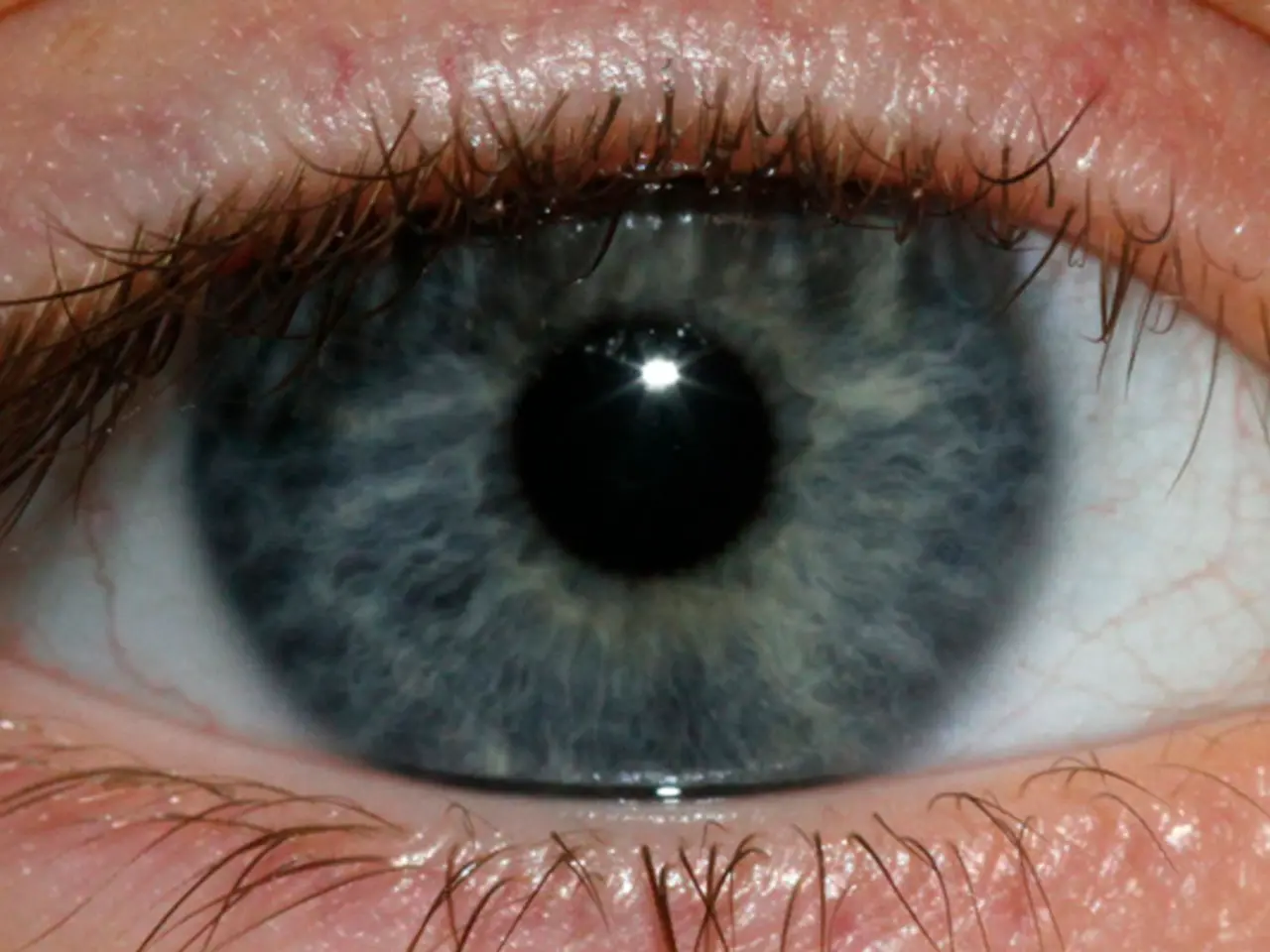
One of the most common visual effects of opioid use is pupil constriction, or miosis, making the pupils at the center of the eye very small and unresponsive to changes in light levels. This phenomenon occurs due to the stimulation of the parasympathetic nervous system by opioids, causing the pupils to become smaller as the circular iris sphincter muscle contracts.
Opioids attach to opioid receptors in the brain and change how the nervous system works, which may impair protective reflexes of the eye, allowing infections or injuries to develop unnoticed. Injection and misuse behaviors also increase the risk of eye infections, as poor hygiene, compromised immune function, and injection drug use may predispose individuals to systemic infections that could affect the eyes.
Chronic opioid misuse may be associated with a higher risk of infections, including those that can lead to serious complications like ocular infections, which if left untreated, can cause vision loss. Additionally, conditions like increased intracranial pressure related to opioid use may cause eye sight changes and require urgent medical attention.
It is essential to note that pinpoint pupils do not indicate an opioid overdose on their own, but if a person has other signs of an overdose, they can help healthcare professionals confirm the diagnosis. Opioid overdose can cause slow or absent breathing or heartbeat, an extremely pale face, limp limbs and body, a purple or blue tinge to the fingernails or lips, vomiting, gurgling noises, inability to speak or respond, loss of consciousness, appearing unconscious, and pinpoint pupils.
If someone presents with the signs of an opioid overdose, it is essential to call 911 immediately. Seeking help is the most critical step on the route to recovery from opioid use disorder. There are organizations such as the Substance Abuse and Mental Health Services Administration (SAMHSA), Overdose Lifeline, and GuideStar that provide solidarity and advocacy to help improve the chances of a successful recovery from opioid use disorder.
In summary, opioid misuse can cause direct vision disturbances and elevate the risk of serious eye infections potentially leading to vision loss, mainly due to systemic effects, immune suppression, and risky behaviors associated with opioid use. Monitoring for ocular symptoms in opioid users and prompt ophthalmologic evaluation if vision changes or eye infections develop is recommended. While specific detailed quantitative data on the incidence of eye infections due directly to opioids was not found in the sources, the described mechanisms and side effects confirm these risks.
- Beyond vision problems, opioid use can also predict an elevated risk of arthritis due to degeneration, as revealed in some studies.
- In addition to eye issues, colon disorders like ulcerative colitis and crohns are also associated with long-term opioid use, according to medical-conditions research.
- The use of opioids can exacerbate psoriatic and psoriasis, leading to dry, scaly, and inflamed skin, as reported in dermatological studies.
- Moreover, opioid misuse may complicate chronic diseases such as HIV, cancer, COPD, and migraine by weakening the immune system, making it harder for the body to fight off infections.
- In the realm of mental health, bipolar patients who misuse opioids may experience difficulty managing their condition, as opioids can interfere with the efficacy of therapies and treatments.
- It's worth noting that a healthy nutrition, including the use of CBD products, can play a significant role in maintaining overall health and wellness while dealing with opioid addiction, as per studies on fitness and exercise.
- Pupil constriction isn't the only visual effect of opioid use – macular degeneration, a common age-related eye disease, has been linked to prolonged opioid intake in science literature.
- For individuals with pre-existing medical conditions like arthritis or colitis, opioid use could escalate the severity of their condition, requiring careful consideration and appropriate management under a medical professional.
- The risk of developing diseases like HIV, ulcerative colitis, psoriasis, and others can be influenced by an unhealthy lifestyle that includes opioid misuse and inadequate fitness-and-exercise routines.
- Managing mental health is crucial in the fight against opioid addiction, and seeking help for conditions like bipolar disorder can help reduce the chances of entering an opioid use disorder in the first place.
- The science behind opioid misuse extends beyond immediate health impacts – it also damages the social and economic well-being of individuals, families, and communities, causing significant long-term consequences.
- In sports, athletes who misuse opioids for pain management can face a higher risk of long-term health problems, particularly in regards to their joints (arthritis) and eyes (macular degeneration), as seen in sports-analysis research.
- Maintaining proper nutritional habits and incorporating CBD products into one's diet can support a holistic approach in treating chronic diseases and managing symptoms associated with opioid misuse.
- As the opioid crisis continues to grow, it's essential for researchers, policymakers, and healthcare providers to work together to develop effective strategies and interventions to address this public health issue, addressing its complexities in terms of health-and-wellness, mental health, and fitness-and-exercise.