
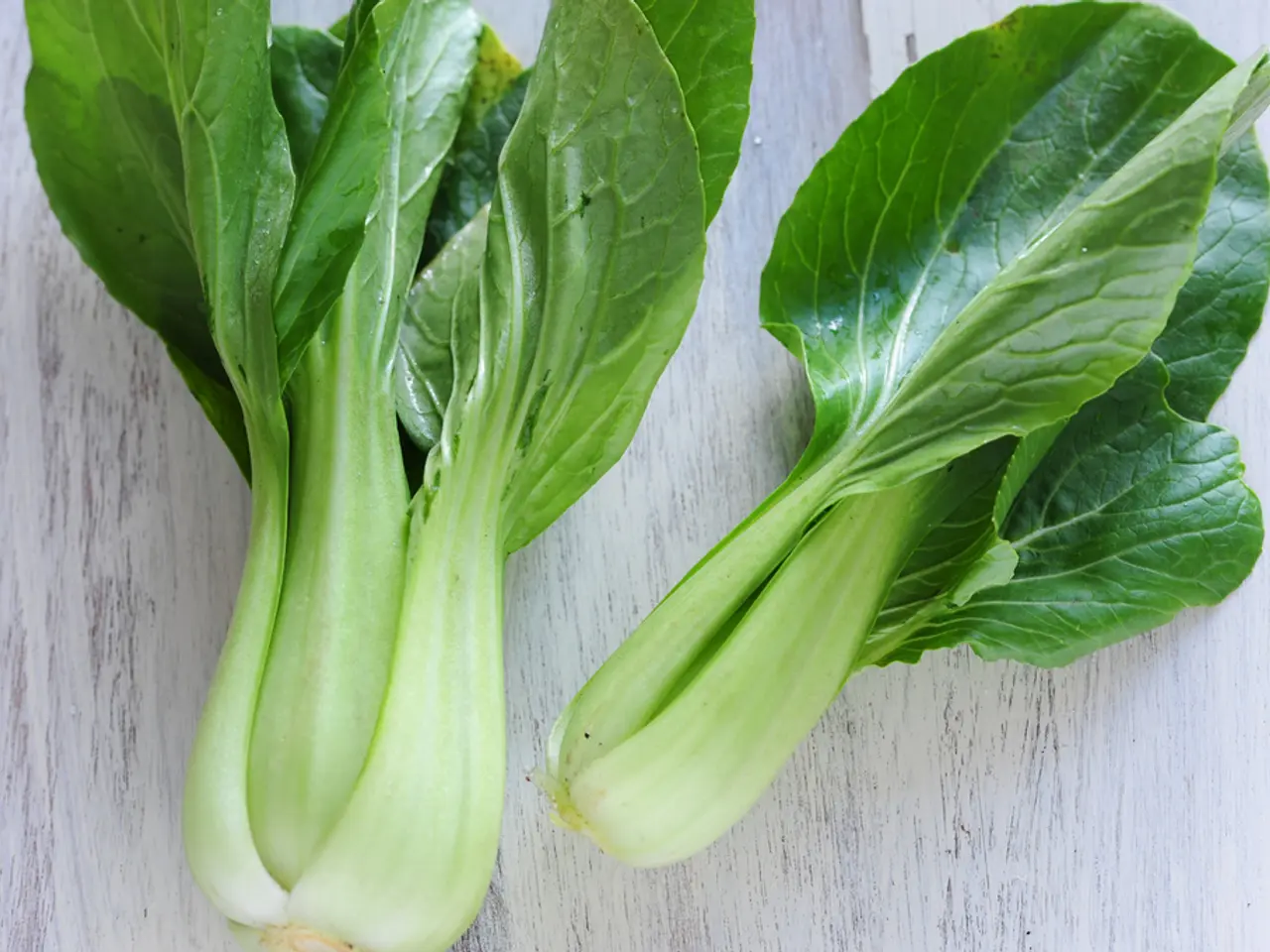
Cruciferous Vegetables: A Nutritious Group and Their Health Benefits Explained
Cruciferous Vegetables: Superfoods for a Healthier Diet
Cruciferous vegetables, belonging to the genus Brassica, are a group of nutrient-dense vegetables that offer distinct health benefits compared to other vegetables. These vegetables, which include broccoli, Brussels sprouts, cabbage, cauliflower, kale, and others, are praised for their unique compounds called glucosinolates.
Glucosinolates break down into bioactive substances like sulforaphane, known for their antioxidant, anti-inflammatory, and cancer-protective properties [1][3][5]. These vegetables also provide high levels of fiber, vitamins (notably C and K), and minerals, supporting overall health and potentially reducing risks for cancer, heart disease, high blood pressure, and improving liver function [1][3][4].
However, it's essential to note that people who take blood-thinning medication like warfarin may need to limit their intake of cruciferous vegetables due to their high vitamin K content [2]. Also, cruciferous vegetables may cause gas or bloating for some people in large amounts [1][5].
Cruciferous vegetables are a rich source of Vitamin K, with half a cup of collard greens (frozen or boiled) containing 530 micrograms (mcg) of vitamin K, and half a cup of Brussels sprouts (cooked) providing 42 mcg of Vitamin B9 (folate) [6]. Turnip greens (1/2 cup, cooked) contain 85 mcg of Vitamin B9 (folate) [6]. Broccoli is a good source of fiber, providing 5 grams of the recommended 25 to 35 grams of fiber per day in one cup [1].
To increase cruciferous vegetable consumption in the diet, consider incorporating them regularly in meals, using cooking methods that mitigate digestive discomfort, including them in smoothies or soups, trying variety and combination, and using sprouts or microgreens. Aim for about 2.5 cups of vegetables each day, including cruciferous vegetables, as part of a balanced diet [4].
Research suggests that a diet rich in cruciferous vegetables may lower rates of various cancers, including breast, pancreatic, bladder, lung, prostate, and colon cancer [7]. Additionally, cruciferous vegetables are high in both soluble and insoluble fiber [1].
By incorporating cruciferous vegetables into your diet, you can harness the unique health benefits they offer and enjoy a more diverse and nutritious meal plan. Remember, a healthy diet should include a wide range of produce, not just cruciferous vegetables. It's important to "eat the rainbow" and enjoy a variety of colors and flavors in your fruits and vegetables.
References:
[1] World's Healthiest Foods. (n.d.). Cruciferous vegetables. Retrieved March 22, 2023, from https://www.whfoods.com/genpage.php?tname=foodspice&dbid=113
[2] Mayo Clinic Staff. (2021, March 17). Warfarin (Coumadin): Diet and nutrition. Retrieved March 22, 2023, from https://www.mayoclinic.org/drugs-supplements/warfarin-coumadin/lifestyle-and-home-remedies/adr-20071984
[3] National Cancer Institute. (2020, September 14). Cruciferous vegetables and cancer prevention. Retrieved March 22, 2023, from https://www.cancer.gov/about-cancer/causes-prevention/diet/dietary-factors/cruciferous-vegetables-fact-sheet
[4] Linus Pauling Institute. (2022, January 27). Cruciferous vegetables. Retrieved March 22, 2023, from https://lpi.oregonstate.edu/mic/dietary-factors/phytochemicals/cruciferous-vegetables
[5] Harvard T.H. Chan School of Public Health. (n.d.). Cruciferous vegetables. Retrieved March 22, 2023, from https://www.hsph.harvard.edu/nutritionsource/food-features/cruciferous-vegetables/
[6] United States Department of Agriculture. (2021, November 17). FoodData Central. Retrieved March 22, 2023, from https://fdc.nal.usda.gov/fdc-app.html#/food-details/171427/nutrients
[7] American Institute for Cancer Research. (n.d.). Cruciferous vegetables. Retrieved March 22, 2023, from https://www.aicr.org/foods-that-fight-cancer/cruciferous-vegetables.html
- Incorporating cruciferous vegetables into a diverse and nutritious meal plan can provide health benefits, potentially lowering risks for various medical conditions such as cancer, heart disease, high blood pressure, and improving liver function.
- These health benefits are due to the unique compounds found in cruciferous vegetables, like glucosinolates, which break down into substances like sulforaphane, known for their antioxidant, anti-inflammatory, and cancer-protective properties.
- Cruciferous vegetables are also rich in essential nutrients like fiber, vitamins C and K, and minerals that contribute to overall health and wellness, supporting a healthier diet.
- However, it's important to consider certain factors, such as medication like warfarin, which may interact with the high vitamin K content in cruciferous vegetables, and individual sensitivity to these vegetables that may cause gas or bloating in large amounts.