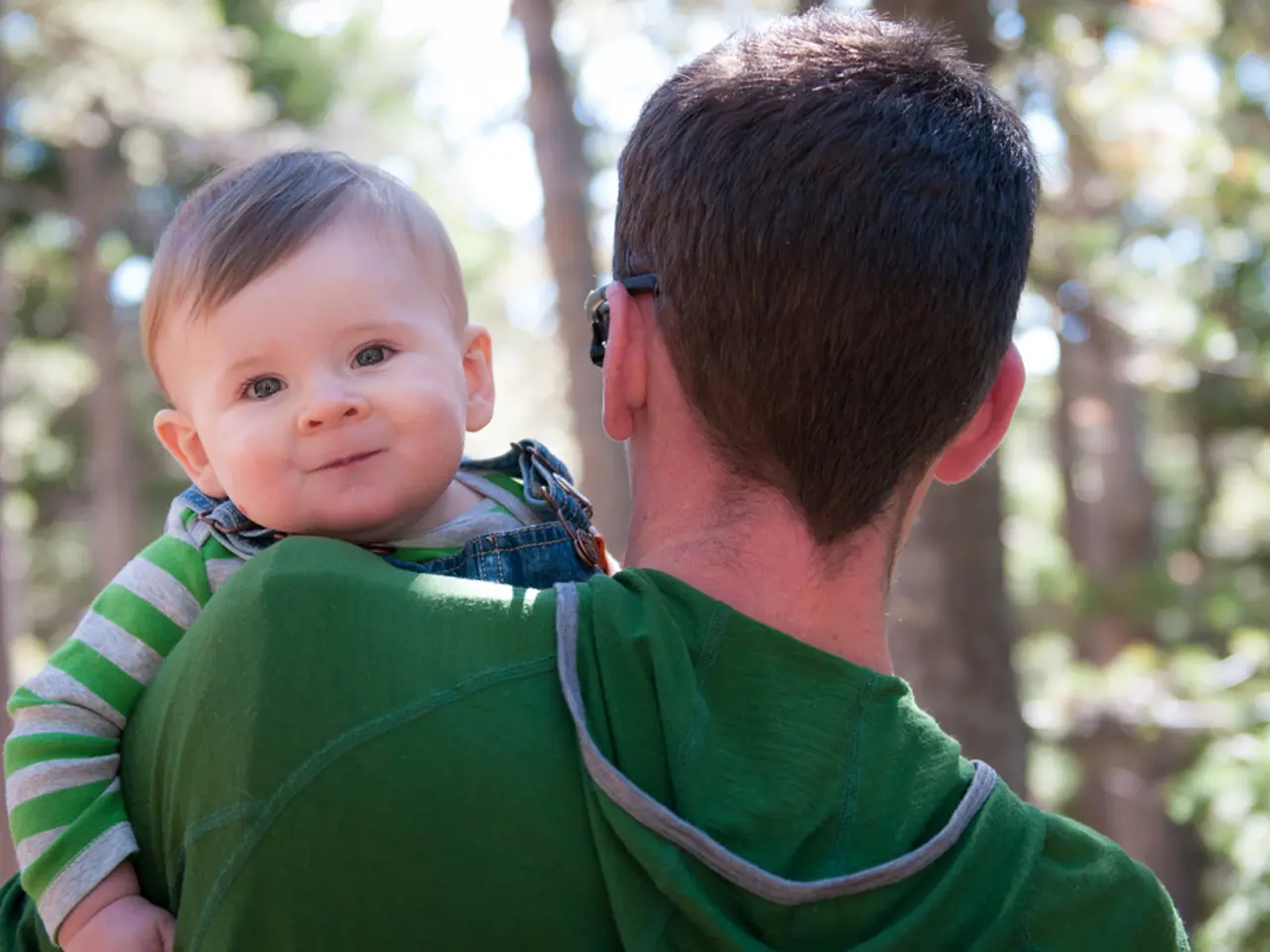
A rainbow baby is a child born after the loss of a previous sibling. They are considered special as their arrival signifies hope, resilience, and a renewed sense of joy following a period of grief.
In the world of parenthood, a rainbow baby brings a burst of colour after a storm. This term, coined by the baby loss community, signifies fresh hope and joy following a period of grief and trauma, much like the well-known saying that a rainbow always follows a rainstorm.
Parents of a rainbow baby often experience a complex mix of emotions, a blend of joy and gratitude alongside grief and sadness. They may feel happiness about the new baby but also carry ongoing sorrow for the previous loss, such as miscarriage, stillbirth, or infant death.
Conflicting feelings are common, with joy for the rainbow baby often coexisting with lingering grief for the lost baby. Some parents feel deep sorrow reflecting on their prior loss even amidst the happiness of a new child. Guilt and pressure are also prevalent, as rainbow babies and their parents may feel an implicit pressure to "prove" that survival is meaningful, which can feel burdensome.
Love intertwined with pain is another common emotion. Parents often describe their grief and happiness as intertwined, with pain sometimes a quiet shadow beneath joyful moments. Emotional exhaustion and vulnerability are also part of the journey, potentially contributing to postpartum depression for some parents.
Despite these challenges, the experience for parents of a rainbow baby is characterized by a blend of hope, love, remembrance, and ongoing mourning, reflecting the dual reality of loss and new life.
Miscarriage, the death of a baby in the womb before week 20 of pregnancy, is a common experience, with around 10 to 15 of all pregnancies that the pregnant parent is aware of ending in miscarriage. Rainbow babies, healthy babies born to a parent or family who has previously lost a child, often prompt mixed emotions in people, including guilt, relief, and excitement, sometimes all at once.
For those who have experienced pregnancy loss, support groups like Pregnancy After Loss Support (PALS) offer invaluable assistance. These groups provide online and in-person support, helping individuals navigate their emotions and find comfort in shared experiences.
Talking about feelings with family, friends, healthcare professionals, or counselors can also be beneficial. Practicing breathing exercises, meditation, and focusing on soothing words can help relieve anxiety during pregnancy. Pregnancy-safe exercise, such as walking, cycling, or yoga, can also help reduce anxiety.
Doctors may want to monitor a rainbow baby during pregnancy, depending on the reason for the loss of the previous baby. A preconception checkup, taking a multivitamin with 400 mg of folic acid, eating a balanced diet, doing something active every day, and avoiding smoking, drinking alcohol, or using illegal drugs are advised for people ready to get pregnant again after losing a baby, according to the patient advocacy group March of Dimes.
It's important to remember that everyone grieves in their own way, and a person may or may not carry the grief of a lost pregnancy or baby with them for the rest of their lives. Up to 26% of pregnant people who have lost a baby in the past may experience anxiety.
Infant death, or sudden infant death syndrome (SIDS), affects about 3,400 babies in the United States every year. Stillbirth, the death of a baby either shortly before or during delivery, occurs around 23,000 times each year in the US, which equates to about 1 in every 160 births.
In the end, it's crucial to remember that the excitement for the new arrival and grief for the lost baby are both valid emotions and are by no means mutually exclusive. Embracing the rainbow baby doesn't mean forgetting the past, but rather finding a way to honour the memory of the lost baby while cherishing the new life that has come into being.
- Parents of a rainbow baby often face a blend of emotions, including health-and-wellness concerns related to their newborn, as well as family-health issues stemming from their grief and trauma over a previous loss.
- Mental-health professionals may be consulted by rainbow-baby parents, especially during the pregnancy, as they grapple with complex feelings of joy, grief, guilt, and anxiety.
- Pregnancy-specific health practices, such as regular prenatal checkups and taking a multivitamin with folic acid, become crucial for parents of rainbow babies, as they aim to ensure the best possible health outcomes for their newborn while navigating the emotional challenges of parenting after a previous loss.